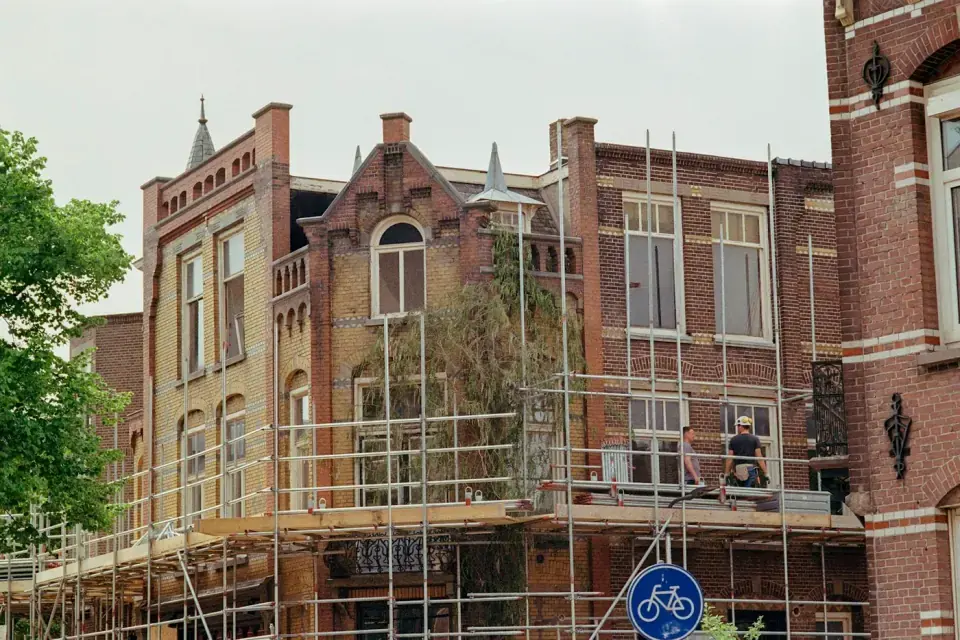
Scaffolding on the facade of a townhouse under renovation
← Our services

Works & maintenance

Comparing quotes, follow-up of approved works and routine building maintenance, from the lift contract to the roof.

Works in co-ownership commit all co-owners and the building budget: every euro must be justified, every decision documented. At RM Syndic, a named contact manages your files from quote request through to site completion — you know where your building stands, without chasing for an answer.

Why works deserve rigorous follow-up

In co-ownership, a roof leak, lift breakdown or façade renovation is never a simple « repair »: these are collective decisions, often voted at a general meeting, funded by charges or the reserve fund, and governed by the Civil Code.

Our role is not to choose on behalf of the co-ownership council, but to prepare readable files, compare offers objectively and keep the thread through to closure — so co-owners understand what was decided, by whom, and at what stage the site stands.

Quotes and competitive tendering

Before any vote at meeting, we structure the technical and financial file so the council can decide with full knowledge.

Scoping the need

We gather findings (expert report, leak assessment, technical visit) and formulate a clear specification: scope of works, desired deadlines, access constraints, regulatory obligations where applicable. The goal: avoid incomparable quotes and nasty surprises during the works.

Consultation and comparison

We approach several qualified contractors or service providers, depending on the nature of the works. Quotes received are presented consistently: work items, amounts, deadlines, guarantees, payment terms. The council thus has a solid basis to decide — without the syndic pushing a single solution.

Preparing the meeting vote

For major works, we include the file on the general meeting agenda: summary of options, financing arrangements (charges, reserve fund, loan where applicable), indicative timetable. Each decision is recorded in the minutes; that is the reference for the rest of the project.

What this means in practice:

  • Comparable quotes, not a pile of heterogeneous PDFs
  • File ready before the GM, not an improvised discussion in session
  • Decision passed = clear mandate to start works

Follow-up of approved works

Once the vote is obtained, the site enters an operational phase where administrative rigour matters as much as work on the ground.

Order and planning

We transmit the purchase order or contract to the selected contractor, respecting voted conditions. An indicative timetable is shared with the council: intervention dates, checkpoints, payment deadlines linked to progress.

Site follow-up and reporting

During works, we remain the contact point between contractor, council and co-owners. Persistent leak, scope change, delay: every event is recorded and communicated. No gap in the chain — you know who does what and when.

Completion and closure

On completion, we verify compliance with the contract, collect end-of-works documents (reports, guarantees, certificates) and organise acceptance if necessary. Payments are made according to voted terms; the file is archived in the co-ownership document management, accessible via the Co-owner portal.

What this means in practice:

  • Single contact for the site, not a black box
  • Progress documented at each key stage
  • Complete file at closure: invoices, guarantees, acceptance minutes

Routine maintenance and maintenance contracts

Beyond major works, a Brussels building needs regular upkeep: lift, roof, boiler room, common parts, green spaces as the case may be.

Maintenance contracts

We manage current maintenance contracts — lift, fire extinguishing, cleaning, pest control, etc. — watching renewal deadlines and legal obligations. Before any significant renewal, we consult the council and present options.

Routine interventions

A leak, a faulty entrance door, lighting to replace: we commission the appropriate intervention, within voted budgets or existing provisions. Requests received by email, phone or via the portal are logged and followed through to resolution.

Anticipation and building condition

During visits or periodic reviews, we flag points of attention — ageing roof, façade to monitor, equipment nearing end of life — to feed the medium-term works plan. Better to prepare a roof file a year before crisis than emergency after infiltration.

What this means in practice:

  • Contracts monitored, deadlines anticipated
  • Small interventions treated with the same trace as major works
  • Medium-term view of building condition, not only reaction to urgency

A works project or maintenance issue in your building?

Describe the situation — change of syndic, project to prepare, ongoing emergency. We reply quickly and without obligation.